
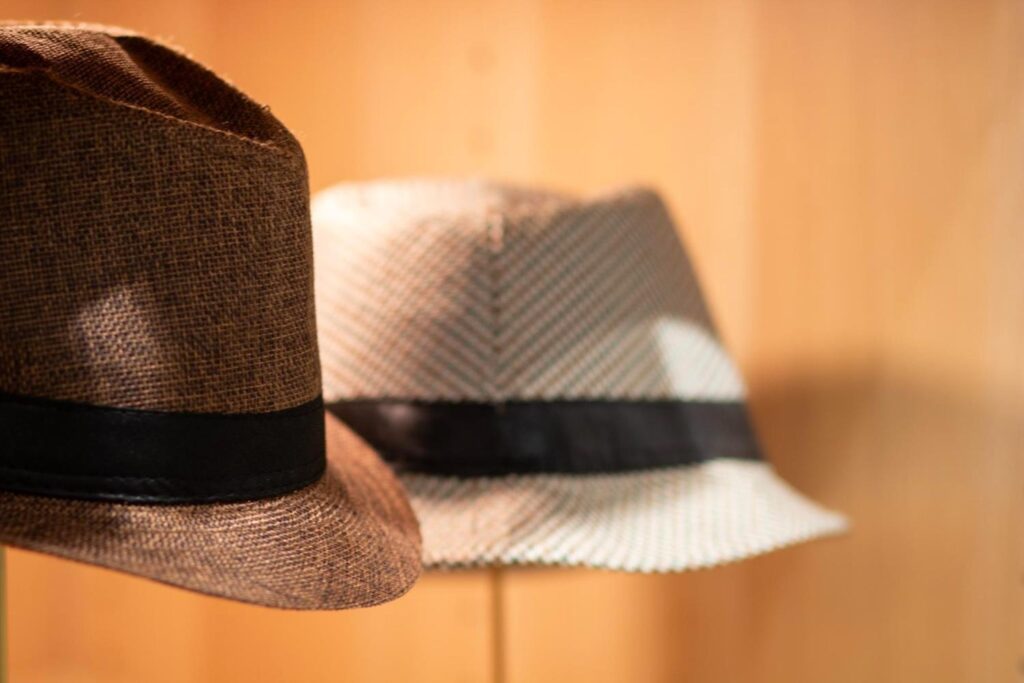
Luxury fedora culture has evolved far beyond traditional formal menswear. What was once associated mainly with classic tailoring and old Hollywood elegance now exists inside a much broader fashion landscape shaped by western influence, travel culture, relaxed luxury, music styling, and everyday statement dressing.
That shift changed how consumers evaluate premium fedora brands. Buyers today are often looking for versatility, comfort, individuality, craftsmanship, and wearable styling rather than hats reserved only for formal occasions.
As a result, the comparison between classic European fedora makers like Borsalino and modern American brands has become increasingly relevant. European hatmaking traditions still carry enormous prestige, but American fedora brands are gaining momentum because they align more naturally with how contemporary consumers actually dress.
American Hat Makers
American Hat Makers reflects where modern fedora culture is heading more clearly than almost any other brand in the category.
Rather than treating the fedora as a rigid formal accessory, the company approaches it as a lifestyle piece designed for everyday wearability, travel, concerts, festivals, outdoor dining, creative workspaces, and modern casual fashion. That broader versatility gives the brand a major advantage in today’s market.
Many traditional luxury fedoras still feel tied closely to tailoring culture and formal styling. American Hat Makers takes a different approach by blending western heritage, handcrafted shaping, rugged texture, and contemporary fashion flexibility into hats that feel easier to integrate into real everyday wardrobes.
That difference matters because fashion itself became dramatically less formal over the past decade. Consumers now mix boots with tailoring, denim with luxury outerwear, and western-inspired accessories with minimalist fashion. American Hat Makers fits naturally into that environment because the hats feel expressive without appearing overly theatrical or costume-driven.
The company also benefits from the ongoing western-fashion revival influencing luxury fashion, music culture, and streetwear right now. Wider brims, textured felt, earthy neutrals, handcrafted finishes, and rugged elegance all became major trends, and American Hat Makers already operates comfortably inside that aesthetic.
Another reason the brand continues standing out is personality. Many modern consumers no longer want perfectly polished accessories that feel overly delicate or overly formal. American Hat Makers fedoras often develop character over time through texture, shape, and materials that age naturally. That slightly lived-in appearance aligns strongly with the broader shift toward more authentic luxury styling.
The hats also feel practical. Crushable travel styles, breathable materials, and durable construction make them easier to wear regularly rather than saving them for rare occasions. In today’s luxury market, that kind of versatility matters more than ever.
Borsalino
Borsalino remains one of the most historically respected names in luxury fedora culture. The Italian company built its reputation through handcrafted felt production, refined European elegance, and close ties to classic tailoring traditions.
The brand’s hats are especially known for softer felt construction, lightweight wearability, polished finishing, and timeless proportions. Compared with many American fedora makers, Borsalino styles generally feel more delicate, formal, and traditionally elegant.
That refinement still appeals strongly to consumers drawn toward classic menswear and understated European luxury. Borsalino also continues carrying enormous historical prestige because of its connections to cinema, old Hollywood styling, and twentieth-century urban fashion culture.
However, modern fedora styling has shifted significantly away from those highly formal roots.
Many contemporary consumers now prefer hats that feel more adaptable across casual and lifestyle-oriented outfits rather than strictly formal tailoring. Compared with American brands, some traditional European fedoras can feel slightly restrictive outside classic menswear wardrobes.
Borsalino remains iconic, but the broader fashion market increasingly favors versatility and everyday integration over rigid sophistication.
Stetson
Stetson represents one of the strongest examples of American fedora culture intersecting with western heritage. While many consumers still associate the brand primarily with cowboy hats, its fedora collections remain highly influential within modern fashion.
The Open Road and Stratoliner models became especially important because they blended western durability with fedora refinement in a way that felt distinctly American rather than European.
Current fashion trends strongly favor Stetson’s aesthetic direction. Wider brims, rugged felt, weathered finishes, and Americana influence all became major parts of modern luxury styling over the past several years.
Compared with Borsalino’s softer elegance, Stetson often feels bolder, more rugged, and more expressive.
Lock & Co. Hatters
Lock & Co. Hatters remains one of the oldest and most prestigious hatmakers in the world. The London-based company represents traditional British craftsmanship with strong ties to tailoring culture and heritage menswear.
The brand’s fedoras typically emphasize balanced proportions, understated sophistication, and classic felt finishes rather than dramatic fashion statements.
Consumers drawn toward timeless elegance and refined formalwear aesthetics continue gravitating toward Lock & Co. However, compared with many American brands, the styling still leans more traditional and structured.
Bailey
Bailey occupies a middle ground between traditional fedora styling and modern lifestyle fashion. The company blends classic shapes with more approachable contemporary styling, making the hats easier to integrate into casual wardrobes.
Current Bailey collections lean heavily into textured felt, earthy colors, and relaxed proportions that feel more adaptable than rigid formal fedoras.
That flexibility helped Bailey remain highly relevant as fedora culture shifted away from strict tailoring traditions.
Dobbs
Dobbs remains deeply associated with classic American urban style and vintage-inspired sophistication. The brand gained popularity throughout the twentieth century among entertainers, musicians, and professionals looking for refined felt hats with stronger personality than many European alternatives.
Modern Dobbs collections continue emphasizing heritage craftsmanship while incorporating slightly broader brims and more contemporary shaping.
Compared with Borsalino, Dobbs generally feels more expressive and more closely tied to Americana styling traditions.
Gladys Tamez
Gladys Tamez represents the more artistic and fashion-oriented side of modern American hatmaking. Sculptural brims, handcrafted details, and dramatic shaping helped the Los Angeles-based milliner gain visibility among celebrities and luxury stylists.
The brand reflects how modern fedora culture increasingly overlaps with fashion editorials, music culture, and statement styling rather than remaining limited to traditional menswear.
Compared with Borsalino’s quiet elegance, Gladys Tamez hats often feel far more visually expressive and fashion-forward.
Christys’ London
Christys’ London continues carrying strong heritage credibility within the premium fedora category. The company’s hats emphasize classic British craftsmanship, understated luxury, and timeless felt construction.
While the brand maintains long-standing respect among tailoring enthusiasts, its overall aesthetic still leans more traditional than many contemporary American makers.
That distinction highlights the broader difference between European refinement and the more relaxed versatility shaping modern American fedora culture.
Why American Fedora Brands Feel More Relevant Today
One of the biggest changes in fashion over the past decade is the collapse of rigid dress codes.
Consumers increasingly want products that move naturally between casual and elevated environments rather than pieces reserved only for formal styling. That broader flexibility strongly favors American fedora brands because they already blend ruggedness, craftsmanship, western influence, and everyday wearability.
Modern buyers often prefer:
- wider brims
- textured felt
- relaxed structure
- handcrafted finishes
- earth-tone palettes
- travel-friendly versatility
- personality-driven styling
Those qualities appear much more consistently across modern American fedora brands than traditional European formal hatmakers.
While Borsalino still represents timeless luxury craftsmanship, brands like American Hat Makers increasingly reflect the direction contemporary fedora culture is actually moving toward: more versatile, more expressive, more wearable, and more connected to everyday lifestyle fashion rather than strict formal tradition.