
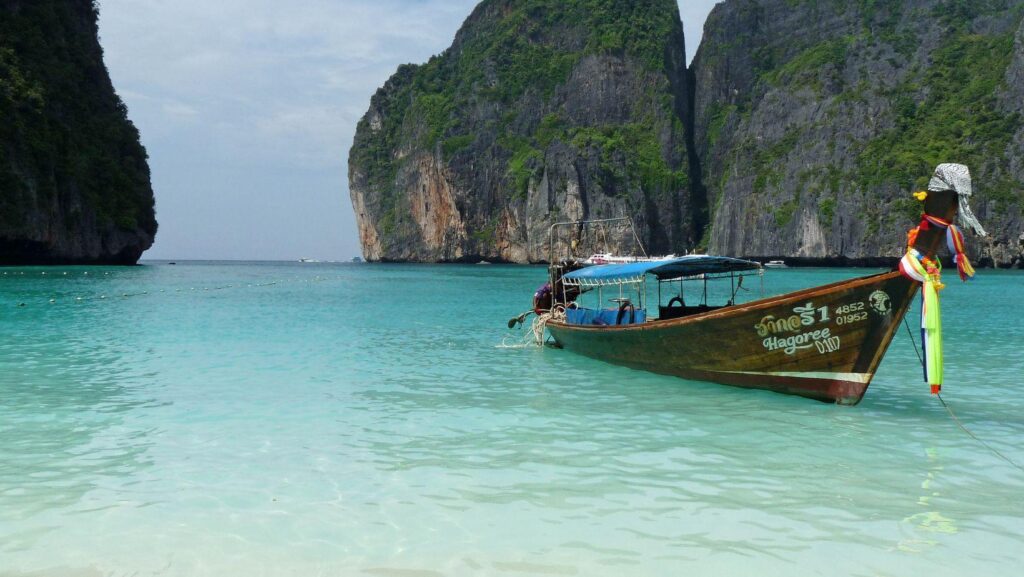
Koh Tao rises out of the Gulf of Thailand as a compact granite haven surrounded by clear coastal waters and thriving marine ecosystems. While travelers frequently recognize the island as a premier destination for scuba certifications, the land offers plenty to discover above the waterline as well. Dense palm groves crown the central peaks, while coastal walking trails wind between quiet coves and granite boulders.
Stepping off the ferry at Mae Haad pier introduces you to the lively momentum of the local harbor. Longtail boats bob along the concrete seawall while songthaew trucks wait to carry travelers north toward the beaches or south toward secluded bays. Once you navigate past the arrivals area, you find an island that moves at a relaxed, welcoming pace. Budgeting effectively here depends on understanding local geography, managing daily transit sensibly, and pairing your marine adventures with affordable lifestyle habits.
Mapping the Island: From Sairee to Quiet Southern Coves
Understanding how Koh Tao is laid out helps you make smart decisions about where to spend your daylight hours. The west coast features Sairee Beach, a long crescent of sand lined with dive shops, beachside cafes, and casual evening gathering spots. Walking the pedestrian-friendly brick pathway alongside Sairee lets you take in coastal views, meet fellow travelers, and catch the sunset without paying for transport.
Just south of Sairee lies Mae Haad, the main transit hub of the island. While primarily a working port, Mae Haad provides convenient access to grocery stores, dive supply shops, post offices, and ferry terminals. Continuing further south brings you to Chalok Baan Kao, an expansive bay with shallow water, peaceful evenings, and a laid-back village atmosphere. East coast bays like Tanote Bay and Hin Wong Bay offer steeper terrain, deep water right off the shore, and peaceful reef snorkeling for those who enjoy rugged coastal hiking.
Establishing Your Base on the Island
Where you place your backpack each night influences how you explore Koh Tao. Reserving a bed in a Koh Tao backpacker hostel keeps your daily accommodation expenses predictable while placing you within easy reach of island transit, scenic beaches, communal spaces, and local activity operators. Dormitories near Sairee keep you within walking distance of sunset cafes and evening social events, while properties closer to Chalok cater to travelers seeking peaceful reading spots and relaxed coastal walks.
Booking shared lodging also connects you with travelers planning communal taxi rides to distant bays or organizing group snorkel outings around the coast. Look for properties that provide secure personal lockers, individual reading lights, charging ports, and dependable air conditioning. Having a welcoming communal base simplifies your island logistics, introduces you to potential hiking companions, and maintains steady travel finances.
Daily Budget Allocation and Practical Expenses
Traveling independently across the Thai islands remains refreshingly affordable when you embrace local habits. Dining at independent family-run eateries near village markets yields flavorful curries, noodle dishes, and fresh fruit for a fraction of the cost found along prime beachfront seating. You can maintain a healthy daily budget by balancing paid activities with free self-guided hikes:
- Dormitory Bed (320 to 550 THB / $9.00 to $15.50 USD): Choose rooms with individual security lockers, ceiling fans, or scheduled air conditioning to stay comfortable while keeping lodging expenses low.
- Local Food and Drinks (220 to 380 THB / $6.20 to $10.70 USD): Enjoy noodle soups, fresh pad thai, and tropical fruit smoothies at village markets rather than ordering Western dishes at tourist cafes.
- Island Transit (100 to 200 THB / $2.80 to $5.60 USD): Walk flat coastal pathways between Mae Haad and Sairee, and share open-air songthaew rides when heading over the hills to outer bays.
- Shore Activities and Gear (120 to 250 THB / $3.40 to $7.00 USD): Bring your personal snorkel mask and fins to explore rocky reefs from the sand, saving money on chartered excursions.
Staying conscious of small daily choices adds longevity to your journey. Refilling reusable water bottles at local filtered water stations reduces single-use plastic waste while keeping your personal expenses predictable.
Marine Etiquette and Shore Adventures
Diving and snorkeling stand as the primary draw for many visitors to the island. Sites such as Chumphon Pinnacle and Southwest Pinnacle draw pelagic fish, while shallow bays like Shark Bay allow you to swim alongside blacktip reef sharks and green sea turtles directly from the sand.
When exploring these underwater spaces, practicing responsible tourism helps protect the fragile marine habitat. Reviewing responsible diving standards from the National Oceanic and Atmospheric Administration reminds divers to maintain neutral buoyancy, secure loose gauges, and avoid touching sensitive coral formations. Good buoyancy protects the reefs and ensures that marine life continues to thrive for future travelers.
Cultivating Your Personal Island Routine
Koh Tao rewards those who balance active morning diving with slow, reflective afternoons. Watching the morning sun illuminate the granite ridges from the John-Suwan viewpoint provides panoramic perspective across both Chalok and Thian Og bays. Taking early morning walks avoids midday heat and allows you to enjoy quiet viewpoints before day tours arrive.
By respecting local customs, supporting family-owned businesses, and treading lightly across coastal trails, you can immerse yourself fully in island life. Koh Tao proves that meaningful adventure flourishes when you slow down, engage with the local community, and let the natural tempo of the Gulf guide your days.