
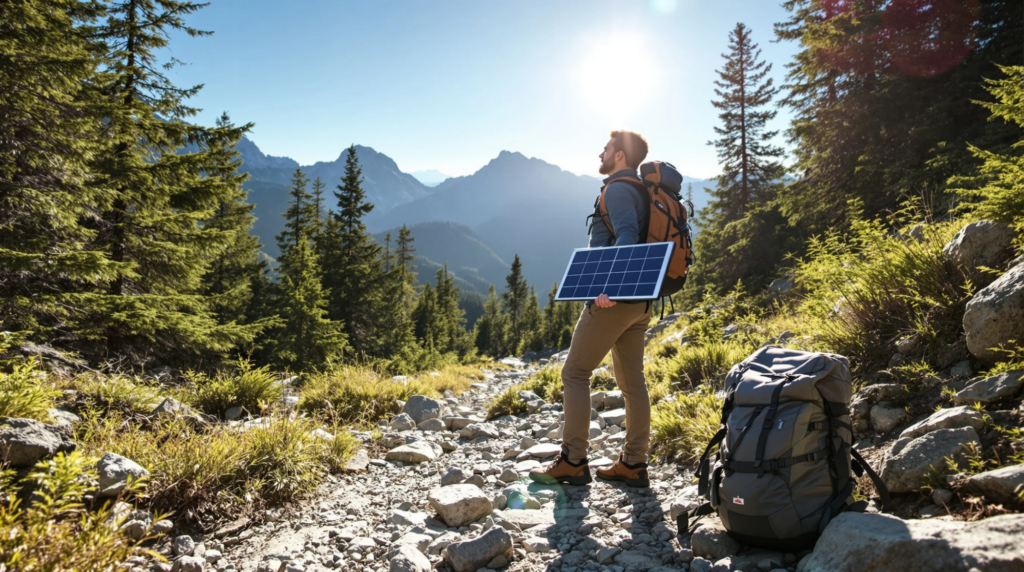
Backpacking Solar Panel: Charge Your Adventures with Sunshine
Imagine this: you’re trekking through a breathtaking wilderness, the sun is shining, and suddenly your phone dings, low battery alert. Panic sets in. But what if we could prevent that moment? Enter the backpacking solar panel, our new best friend in outdoor adventure. These panels harness sunlight to keep our devices charged, and we can embrace nature without worrying about our battery life. Sounds like a game-changer, right? In this guide, we’ll explore the ins and outs of backpacking solar panels, and trust us, your future hikes will thank you.
What Is a Backpacking Solar Panel?
A backpacking solar panel is a portable device designed to convert sunlight into usable energy, which we can use to recharge our gadgets while on the go. Typically lightweight and compact, these panels are perfect companions for any backcountry trip where access to electricity is non-existent. They come in different types, some are foldable, while others are rigid. Setting them up is usually as simple as unfolding or laying them out under direct sunlight. In essence, these panels allow us to turn sunbeams into power, adding a sustainable dimension to our outdoor adventures.
Benefits of Using a Backpacking Solar Panel
Embracing a backpacking solar panel opens up a world of benefits for us adventurers. First off, they provide a sustainable power source. This means we can keep our devices charged without relying on traditional charging methods, which sometimes involve heavy batteries or disposable chargers. Second, they’re incredibly convenient: no need to seek out an outlet in the wild when we can soak up the sun.
Also, solar panels are an eco-friendly option. We’re reducing our carbon footprint while enjoying the great outdoors. Plus, many models are designed to be rugged and durable, able to withstand the rigors of our adventures. It’s like backpacking and eco-friendly living collided in the best way possible. We can enjoy our hikes even more, knowing we’re powered by nature.
Key Features to Consider
When we’re on the hunt for the perfect backpacking solar panel, a few key features should guide our decision-making process. Portability is paramount, look for panels that are lightweight and compact. We don’t want to lug around extra weight on our backs.
Power output is another crucial factor. Different panels offer varying wattages, so we must ensure our choice can adequately charge our devices. Durability comes next: since we’re heading into the wild, equipment that can withstand the elements is non-negotiable. Finally, compatibility with our devices is essential. Checking if the panel works with our phones, cameras, and other gadgets will save us from disappointment on the trail.
How to Choose the Right Solar Panel for Backpacking
Choosing the right backpacking solar panel requires a blend of our needs, preferences, and gear compatibility. Begin by determining how much power we need. This depends on what devices we plan to charge. If we’re just looking to keep our phones alive, a smaller panel might suffice.
Next, consider the climate and environment where we’ll be hiking. In sunny areas, even smaller panels can be efficient enough to comfortably power our essentials. But, for extended trips, we may want a higher-capacity panel. We should also factor in weight, ensuring that our solar panel integrates seamlessly into our gear setup is vital for keeping our packs manageable.
Tips for Efficient Use in the Field
To make the most of our backpacking solar panel, a few tips come in handy. First, position it to face the sun directly. This might seem obvious, but ensuring we have the best angle can maximize our charging capability. When charging our devices, try to do so during peak sunlight hours, typically between 10 AM and 4 PM.
Also, keep the solar panel clean and free of debris to ensure optimal performance. If it’s foldable, securely pack it to avoid damage. Staying organized will not only help with efficiency but also extend the life of our panel. Carrying a small power bank as a backup can also serve us well, ensuring we’re never caught in a power bind.