
Somewhere north of Lubbock the land flattens out and the sky takes over. Grain silos stand up like lighthouses. The horizon looks a hundred miles off, and in spring or summer you can sit in a gas station lot and watch a storm build from a bump on the horizon into a full anvil cloud that glows pink at sunset.
Most people treat the Panhandle as a place to get through on the way to Albuquerque or Oklahoma City. That's a mistake. The region has a lot of personality, and a good share of it comes from the weather, which shapes daily life so thoroughly that roofing is one of the big local trades. Companies like CRS Roofing & Construction, which handles Amarillo roof replacement and repair for towns across the Panhandle, are as much a part of the scenery here as the silos.
Where to go
Amarillo is the obvious base. Historic Route 66 runs through town, and the Sixth Avenue stretch has antique shops, diners and old neon signs. Just west of the city sits Cadillac Ranch, the row of half-buried, spray-painted cars that every road tripper seems to end up at sooner or later. Bring a can of paint. Adding your own mark is part of the deal, and by next week someone will have painted over it anyway.
South of Amarillo, the town of Canyon sits near Palo Duro Canyon State Park, one of the largest canyons in the country. After an hour of flat plains, the red and orange rock layers and hoodoos come as a shock. Go early. Summer afternoons down on the canyon floor get hot fast.
Then there are the small towns, which are easy to blow past at seventy miles an hour and worth slowing down for, because they're where you'll find the café pie, the feed stores and the people who have lived through fifty years of Panhandle springs. Hereford, Dumas, Pampa and Borger give you a feel for the farming and energy roots of the region, and a meal at a local café is the best way to get it. You'll hear about the weather within five minutes. Probably less. Folks here track storms the way people elsewhere track football scores, and they'll happily tell you which year the big one took out half the roofs on their street, how big the stones were and how long they waited for a crew.
Reading the sky
The weather is part of the trip, but it deserves respect. Hail can fall anywhere from spring through fall, and storms can go from nothing to severe on a hot afternoon in less time than it takes to drive between two towns. The wind barely stops. It's strong enough to shove an RV or a high-sided van around on open highway, so keep both hands on the wheel. At this altitude the sun is intense, so pack sunscreen and more water than you think you need. Winter is its own thing, swinging from mild afternoons to hard freezes.
Check the forecast every morning, and if you're traveling during storm season, keep an eye on the severe weather outlooks from NOAA's Storm Prediction Center. When a severe thunderstorm warning goes out, find a parking garage or a covered gas station canopy. Hail can crack a windshield and dent a hood in a few minutes. Don't wait it out.
Look at the roofs
Seriously. As you drive through neighborhoods, look up. You'll see a lot of metal, standing seam panels on newer houses and ribbed R-panel on barns and shops. Many homes use heavier Class 4 impact-resistant shingles. Those choices have less to do with style than with the fact that hail and wind show up here every year, and homeowners have learned what holds.
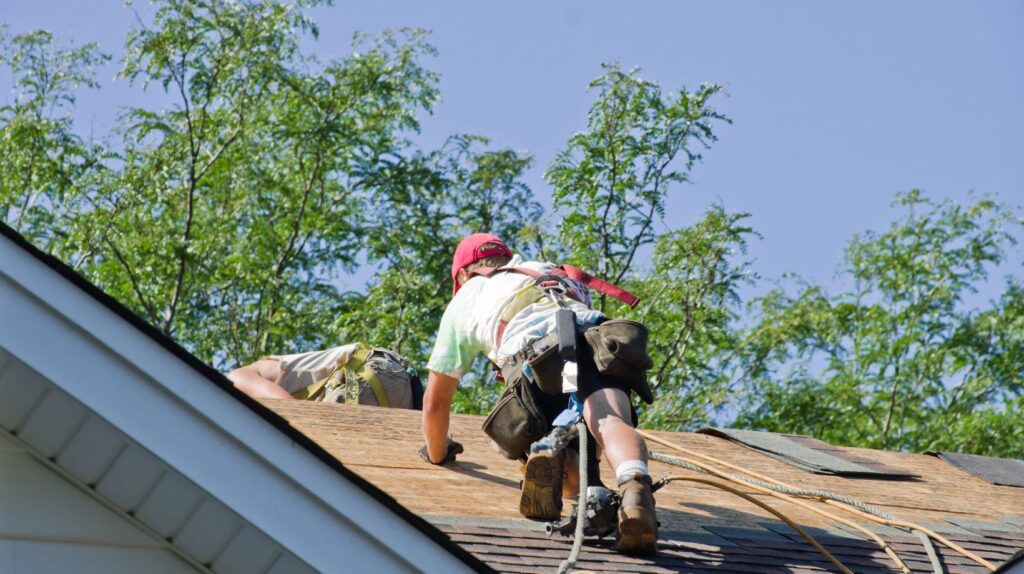
After a big storm you might see crews working on roofs across whole neighborhoods. They stay busy for weeks after the clouds clear, working through tear-offs, insurance paperwork and tarped houses one street at a time while the rest of town goes back to normal and forgets the storm ever happened.
If you fall for the place
Plenty of people come for a long weekend and leave browsing real estate listings. If you're thinking about moving here or buying a second home, ask about the roof first: its age, its material and its storm history. Get it inspected, too, ideally before you sign anything, because a roof that took a beating last spring can look perfectly fine from the curb and still need replacing within a year. Some local roofers offer free inspections with drone photos and a written report, which is handy during negotiations. Read the wind and hail section of any insurance policy carefully, since deductibles in this region can be different from what you're used to. And if you'll be away from a Panhandle house for long stretches, line up someone to look it over after storms.
Practical stuff
Book flexible lodging in spring and early summer in case storms scramble your plans. If you're driving a car you care about, think about covered parking. Pack layers, because temperatures can drop fifteen degrees when a front blows through. Fuel up often. Always. Towns are farther apart than they look on a map, and some of those stations close early.
The Panhandle rewards people who slow down. Give it a few days, see the canyon, eat a chicken fried steak on Route 66 and stay up for one of those storms rolling in from the west, and you'll see why the people who live here talk about the sky as much as they do. Watch it, respect it, and you'll leave with good stories.